
ATM Skimming Incident: A Cloned Card Case Study and Its Implications
The story of Mark T. illustrates the rapid consequences of engaging in carding activities. His experience exemplifies the vulnerabilities associated with credit card skimming and the investigative capabilities of modern banking systems.
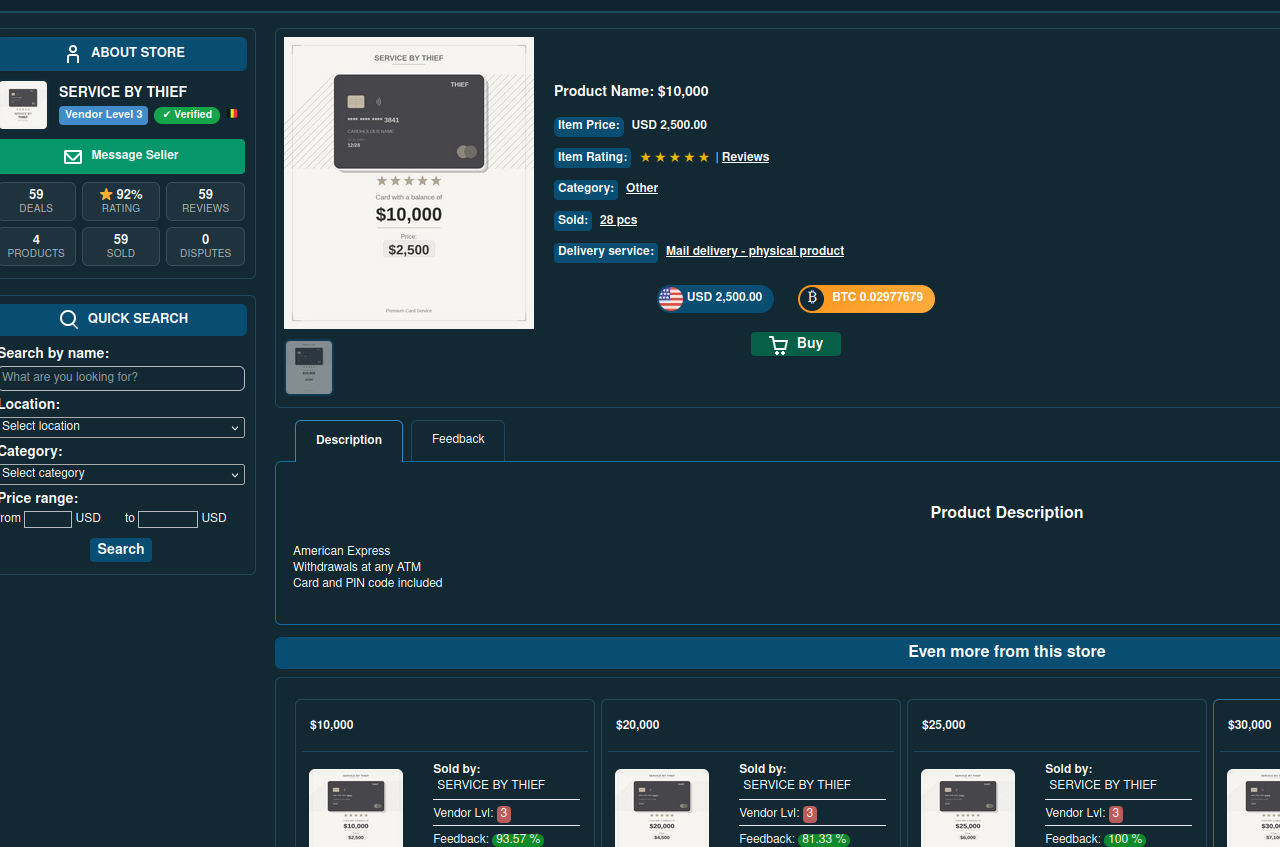
Mark T., a 34-year-old from Tampa Bay, Florida, thought he had discovered a lucrative opportunity in November 2024. He acquired a set of six cloned debit cards with PINs for $480 in cryptocurrency from a darknet marketplace. These cards contained stolen data from legitimate accounts, enabling him to withdraw a total of $4,200 from three ATMs before his operations came to an abrupt halt when the fourth ATM led to his identification and arrest.
Quick summary
Carding involves multiple steps from data acquisition to laundering.
Modern ATMs serve as effective surveillance tools.
Anti-fraud systems quickly flag suspicious patterns of withdrawals.
Cryptocurrency does not guarantee anonymity due to KYC regulations.
Rapid detection and investigation can lead to swift apprehensions.
Understanding Carding Mechanics
Carding refers to the illicit sale and exploitation of stolen banking information, representing a long-standing form of cybercrime. The methodology employed by Mark included the following steps:
Data Acquisition: Criminals obtain magnetic card tracks via skimmers, data breaches, or darknet purchases.
Card Creation: The stolen information is transferred to blank plastic cards, mimicking legitimate ones.
PIN Access: If a PIN is compromised, the buyer has a viable means for cash withdrawals.
Withdrawal Process: The individual retrieves funds from ATMs before the cardholder recognizes the theft.
Funds Laundering: Withdrawn cash is typically converted to cryptocurrency to obscure its origin.
Mark's transactions were executed in a manner typical of this fraudulent market, utilizing Monero for its perceived anonymity. However, the reality of ATM technology changed the course of his actions significantly.
The Role of ATM Surveillance in Investigations
Modern ATMs function not merely as cash dispensers but also as sophisticated surveillance tools. Essential components of an ATM include:
Built-in Cameras: These capture high-resolution images of users, often equipped with night vision.
Hidden Cameras: Some models offer additional angles for capturing user footage.
Detailed Transaction Logs: Every transaction is meticulously recorded, including timestamps and amounts.
Geolocation Data: ATMs catalog their geographical coordinates, which are sent to banking logs.
Network Logging: Requests sent to banking processors are documented, including metadata.
During Mark's interaction with his fourth ATM, the built-in camera captured clear footage of his face, which authorities later utilized for identification. This surveillance capability proved instrumental in linking him to the crime, evidencing the limitations of perceived anonymity within the digital sphere.
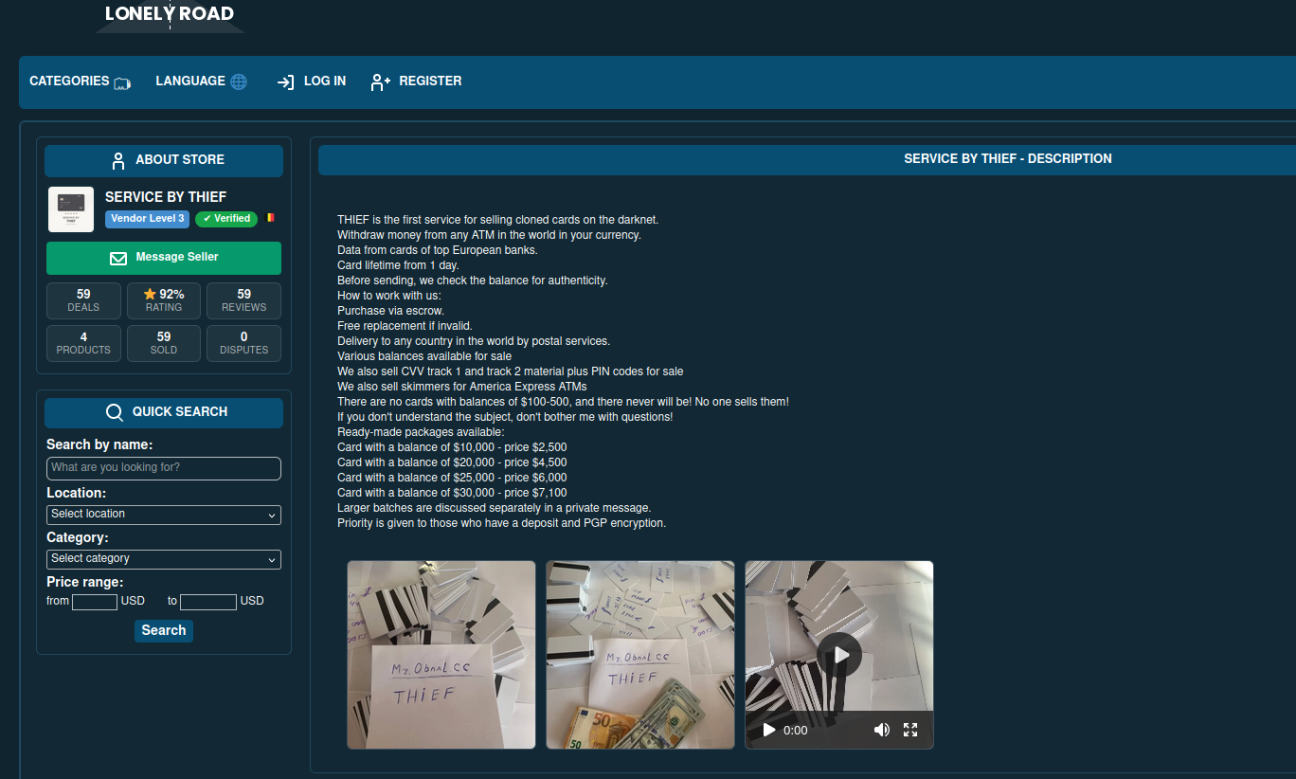
Mark utilized a darknet marketplace for his transaction, emphasizing the risks associated with such platforms.
The Consequences of Mark's Actions
Mark's illegal withdrawals attracted the attention of bank anti-fraud systems almost immediately, leading to a swift investigation timeline that included key dates and events:
Day 1: Victims report unauthorized withdrawals, prompting banks to block cards.
Day 3: Algorithmic detection reveals patterns of withdrawals, escalating the case to investigative departments.
Day 5: The case is referred to the U.S. Secret Service for further scrutiny.
Day 8: Analysis of ATM footage leads to Mark's identification.
Day 12: A warrant for electronic evidence is issued, linking Mark to his purchase activities.
Day 14: Law enforcement conducts a search, uncovering incriminating evidence.
Day 15: Mark is apprehended and later confesses.
Through this investigation, evidence came together within a mere 15 days, leading to Mark's conviction for fraud and money laundering. He was sentenced to five years in federal prison along with financial penalties, demonstrating the efficiency of modern financial crime investigations.
Final Thoughts on Carding and Cybersecurity
Mark T.'s case serves as a cautionary tale regarding the risks of engaging in carding activities. His actions led not only to personal consequences but also highlighted the intricate workings of anti-fraud systems and investigative measures in place. This incident exemplifies the challenges of maintaining anonymity in a world where digital transactions can be traced back to physical identities.
FAQ
- What is carding?
Carding is the practice of selling and using stolen credit card information for fraudulent transactions.
- How do ATMs capture evidence?
ATMs are equipped with built-in and hidden cameras that record user transactions, which aid in investigations.
- Can cryptocurrency ensure anonymity in transactions?
While cryptocurrencies like Monero are designed for privacy, KYC regulations at exchanges can link identity to transactions.
- What are the consequences of engaging in carding?
Engaging in carding can lead to severe legal repercussions, including imprisonment and financial penalties.
Where to look next. These services are useful starting points for further research. Resources
Explore more
 Tor for Deep Web: Accessing SafelyLearn how to safely access the deep web using Tor, ensuring privacy and security while navigating hidden online resources.
 Dark Web Directory 2026: Current ResourcesExplore the Dark Web Directory 2026 for reliable resources and links to navigate the dark web safely and effectively.
 Good Dark Websites: Top RecommendationsDiscover reliable dark web resources with our top recommendations for good dark websites, ensuring safety and privacy in your online activi…